All Categories
Featured
Attaining Long-Term Stability Through Better Debt Choices
Why People Battle with Financial Obligation Management in...

Lowering Interest Costs for Philadelphia Credit Card Debt...
The Very Best Techniques to Credit Card Management in 2026
Table of Contents
Navigating Credit Obstacles in Oakland Debt Management Program
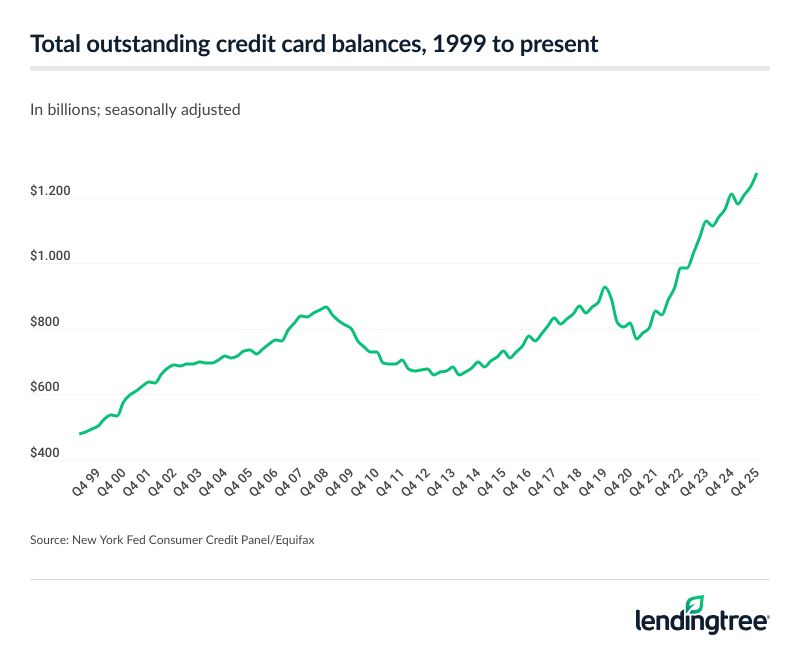
Financial shifts in 2026 have changed how homes manage their monthly obligations. With rate of interest holding at levels that challenge even disciplined savers, the conventional techniques of surviving are proving less efficient. Numerous citizens in Oakland Debt Management Program are taking a look at their financial statements and seeing a bigger part of their payments going towards interest rather than the primary balance. This shift has caused a renewed interest in structured debt management programs used by nonprofit agencies.
The main difficulty in 2026 remains the expense of unsecured credit. Charge card business have actually adjusted their risk designs, typically leading to higher annual percentage rates for consumers who bring balances from month to month. For those living in your local area, these expenses can rapidly exceed wage growth, producing a cycle where the total balance stays stagnant despite regular payments. Specialists focusing on Debt Management suggest that intervention is most effective when initiated before missed payments begin to damage credit history.
Comparing Debt Consolidation Loans and Management Programs in 2026
Financial methods in 2026 often involve picking between two distinct paths: financial obligation combination loans and financial obligation management strategies. A debt consolidation loan involves getting a brand-new, large loan to pay off several smaller sized financial obligations. This technique depends greatly on an individual's credit report and the accessibility of favorable terms from private loan providers. In the current market, however, securing a low-interest individual loan has actually ended up being increasingly challenging for those who are already carrying significant financial obligation loads.
Oakland Debt Management Programs supplies a structured alternative to high-interest loans by working within the existing creditor relationships. Unlike a loan, a debt management plan does not involve borrowing more money. Rather, it is a worked out contract helped with by a not-for-profit credit counseling firm. These agencies work with lenders to lower rates of interest and waive certain fees, permitting the customer to pay off the complete principal over a set duration, generally 3 to 5 years. For many in the surrounding area, this approach offers a clear timeline for reaching no balance without the requirement for a brand-new line of credit.
The difference is substantial for long-lasting monetary health. While a loan just moves debt from one place to another, a management plan focuses on systematic payment and behavioral modification. Therapy sessions associated with these programs frequently consist of spending plan evaluations that assist individuals recognize where their cash goes monthly. This academic part is a hallmark of the 501(c)(3) nonprofit design, which prioritizes consumer stability over earnings margins.
The Mechanics of Rate Of Interest Negotiation in your local area
One of the most efficient tools available to consumers in 2026 is the capability of credit therapy agencies to work out directly with significant banks and card issuers. These negotiations are not about choosing less than what is owed-- a process that typically damages credit-- but about making the payment terms workable. By decreasing a 24 percent rate of interest to 8 or 10 percent, a program can shave years off the payment duration and save the customer countless dollars.
People typically try to find Debt Management in Oakland when handling several creditor accounts ends up being a logistical concern. A management plan streamlines this by combining numerous regular monthly bills into a single payment. The not-for-profit agency then disperses that payment to the different lenders according to the negotiated terms. This structure reduces the possibility of late charges and makes sure that every account remains in excellent standing. In Oakland Debt Management Program, this simplification is typically the primary step toward gaining back control over a household budget.
Creditors are typically ready to take part in these programs since they prefer getting routine, full payments over the danger of an account entering into default or personal bankruptcy. By 2026, many monetary organizations have streamlined their cooperation with Department of Justice-approved companies to facilitate these plans more efficiently. This cooperation benefits the customer through minimized stress and a foreseeable course forward.
Strategic Financial Obligation Repayment in across the country
Housing and credit are deeply linked in 2026. Numerous homes in various regions find that their capability to get approved for a home mortgage or preserve their present home depends on their debt-to-income ratio. High charge card balances can inflate this ratio, making it challenging to gain access to favorable real estate terms. Nonprofit firms that offer HUD-approved housing therapy frequently incorporate financial obligation management as part of a bigger technique to stabilize a household's living situation.
The effect on credit ratings is another element to consider. While a debt management plan needs closing the accounts consisted of in the program, the consistent on-time payments typically assist rebuild a credit profile over time. Unlike financial obligation settlement, which involves stopping payments and letting accounts go to collections, a management strategy reveals a dedication to honoring the initial financial obligation. In the eyes of future lenders, this difference is crucial.
- Minimized interest rates on credit card accounts.
- Waived late fees and over-limit charges.
- Single month-to-month payment for multiple unsecured debts.
- Professional assistance from qualified credit therapists.
- Education on budgeting and financial literacy.
As 2026 progresses, the role of financial literacy has actually moved from a high-end to a need. Comprehending the distinction in between protected and unsecured debt, the effect of compounding interest, and the legal securities available to consumers is crucial. Nonprofit firms work as a resource for this details, using services that exceed simple financial obligation payment. They supply the tools required to prevent future cycles of financial obligation by teaching individuals how to build emergency funds and manage money circulation without counting on high-interest credit.
Long-Term Stability Through Structured Preparation
The decision to go into a debt management program is typically a turning point for families in Oakland Debt Management Program. It marks a shift from reactive spending to proactive preparation. While the program requires discipline-- specifically the dedication to stop utilizing credit cards while the plan is active-- the outcome is a debt-free status that offers a foundation for future conserving and financial investment.
Financial advisors in 2026 highlight that there is no one-size-fits-all service, however for those with substantial unsecured debt and a steady earnings, the structured approach of a nonprofit plan is frequently the most sustainable option. It avoids the high costs of for-profit settlement companies and the long-lasting credit damage of personal bankruptcy. Instead, it uses a middle path that balances the requirements of the consumer with the requirements of the lender.

Success in these programs depends on openness and consistent communication with the counselor. By reviewing the spending plan quarterly and making changes as living expenses change in your region, participants can stay on track even when unexpected costs emerge. The objective is not just to settle what is owed, however to exit the program with a various perspective on how to use credit in a way that supports, instead of hinders, monetary progress.
Eventually, the function of debt management in a 2026 financial strategy is to offer a clear exit from high-interest obligations. By focusing on primary decrease and interest settlement, these strategies allow locals in Oakland Debt Management Program to reclaim their income and concentrate on their long-lasting objectives. Whether the objective is purchasing a home, saving for retirement, or simply decreasing day-to-day tension, a structured repayment plan supplies the structure necessary to accomplish those ends.

Table of Contents
Latest Posts

Winning the 2026 Budgeting Game for Local Families
Attaining Long-Term Stability Through Better Debt Choices

Why People Battle with Financial Obligation Management in 2026
More
Latest Posts
Winning the 2026 Budgeting Game for Local Families
Attaining Long-Term Stability Through Better Debt Choices
Why People Battle with Financial Obligation Management in 2026